 +(91) 7014642242
 neurospinesolution@gmail.com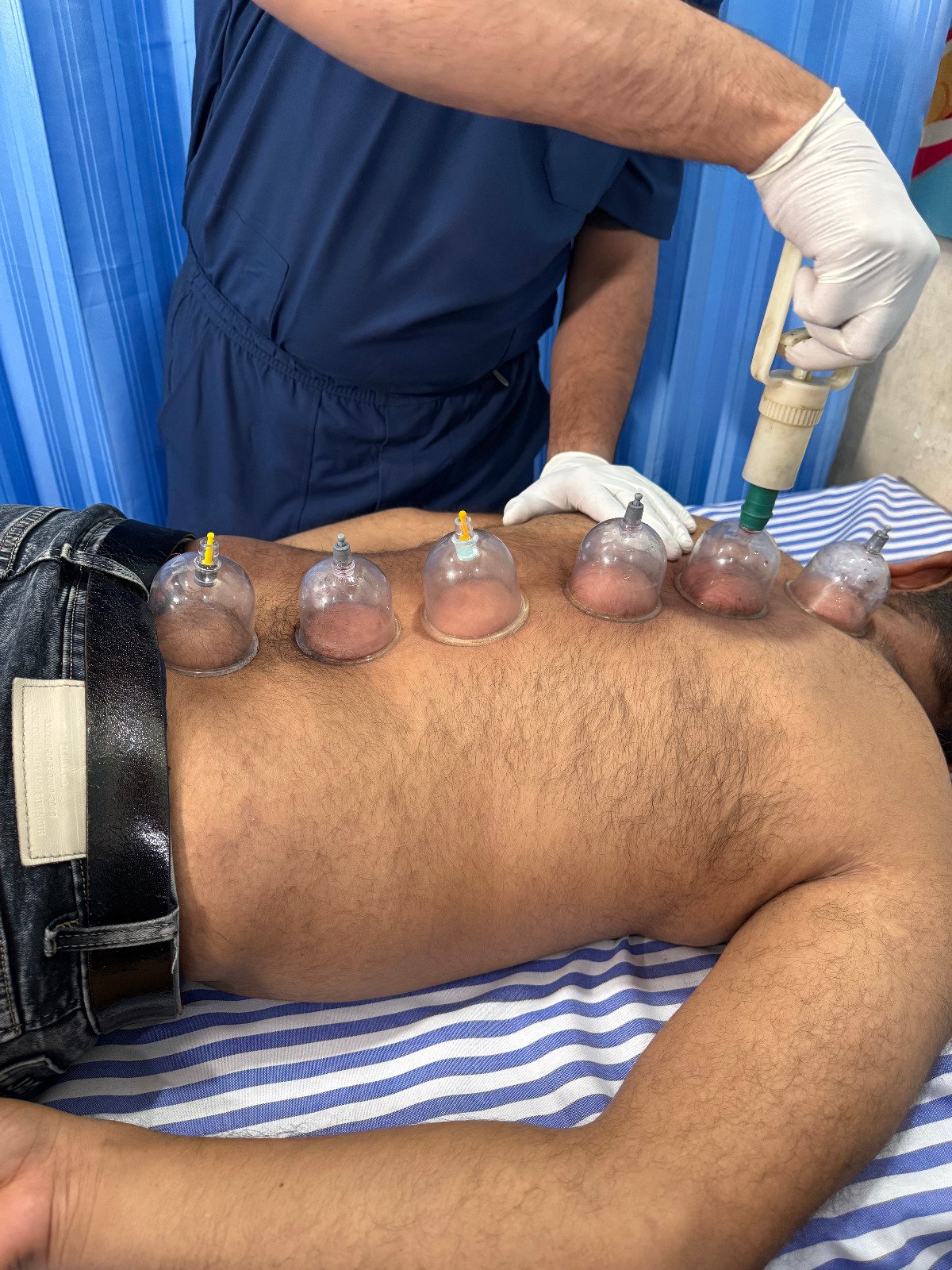
Living with chronic pain can be deeply debilitating, affecting not just your physical health, but your emotional well-being and quality of life. Unlike acute pain, which goes away once an injury heals, chronic pain persists for months or even years.
Many patients rely heavily on painkillers to get through the day. However, physiotherapy offers a long-term, non-invasive solution that addresses the root cause of the pain rather than just masking the symptoms.
Active vs. Passive Physiotherapy
Effective chronic pain management usually involves a combination of both passive and active therapies designed to restore function and reduce discomfort:
- Passive Therapies: These are treatments done to you by the therapist. This includes manual therapy, deep tissue massage, electrotherapy, and Cupping Therapy (as seen in the image above). Cupping increases blood circulation to the affected area, promoting deep muscle relaxation and cellular repair.
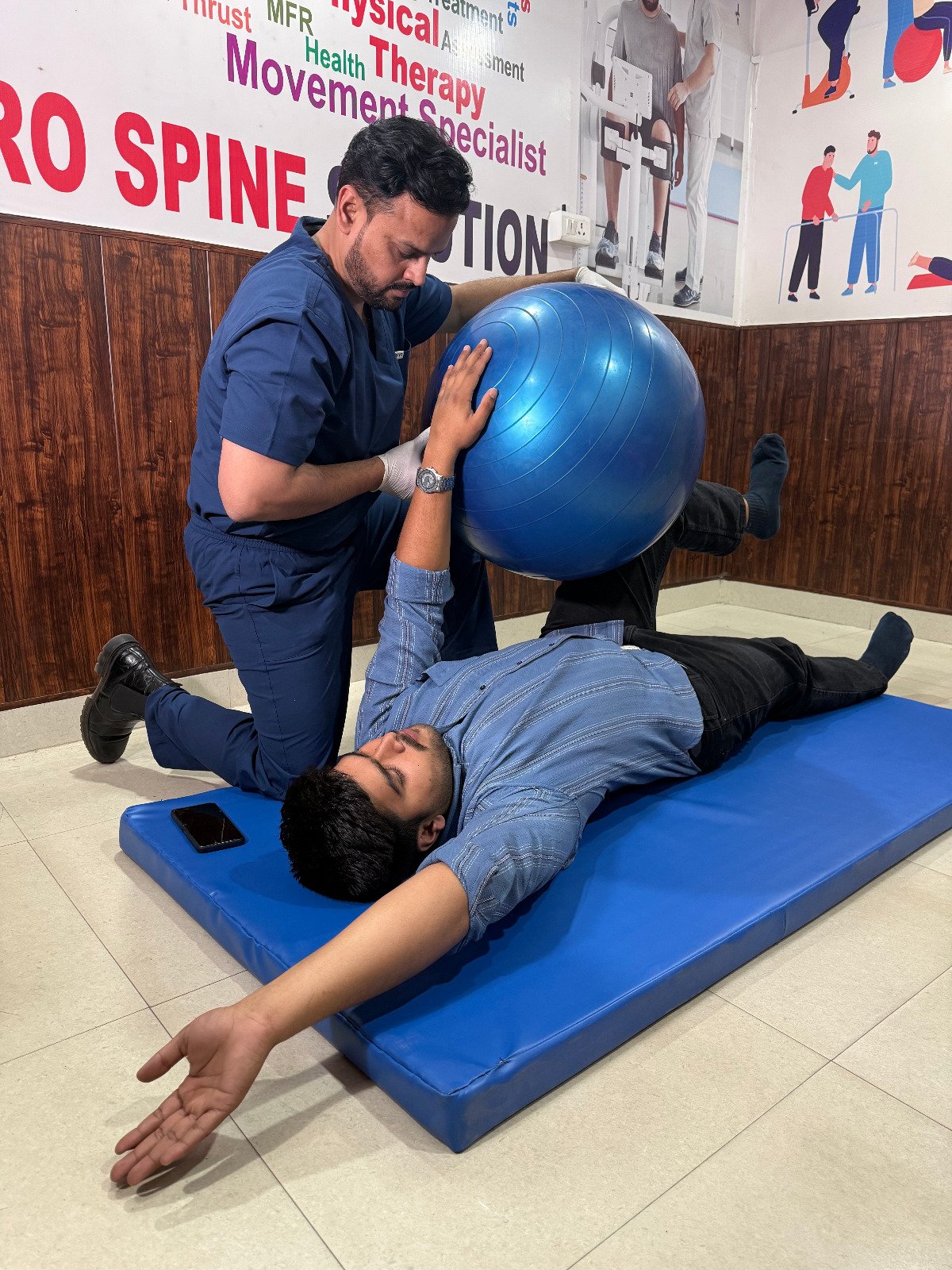
- Active Therapies: These require your active participation. Your therapist will guide you through specific stretching and strengthening exercises to improve flexibility, build muscle support around painful joints, and correct posture imbalances.
Correcting Posture and Alignment
Often, chronic neck and back pain are the result of years of poor posture and biomechanics. A physiotherapist will analyze how you move and teach you how to sit, stand, and walk correctly to take unnecessary pressure off your spine and nerves.
Desensitizing the Nervous System
In chronic pain patients, the nervous system becomes hyper-sensitive, sending pain signals even when there is no active tissue damage. Gradual, graded exercise exposure helps "retrain" the brain to understand that movement is safe, significantly lowering the body's pain response over time.